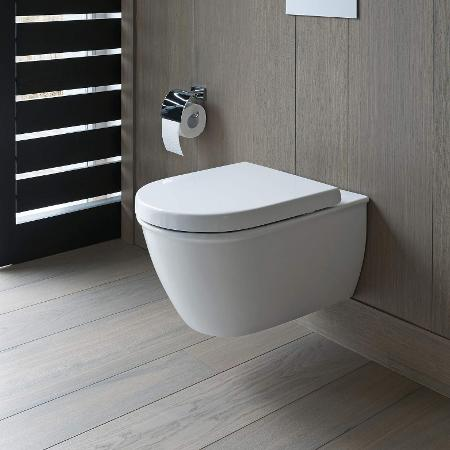
A toilet seat may seem like a small detail in your bathroom, but its importance cannot be overstated. The right toilet seat can enhance comfort, hygiene, and even the overall style of your bathroom. In this blog, we’ll explore everything you need to know about toilet seats—from types and materials to maintenance tips—so you can make an informed choice.
Types of Toilet Seats
Choosing the right toilet seat starts with understanding the different types available. Each type offers distinct features, benefits, and price points.
1. Standard Toilet Seats
Standard toilet seats are the most common and are available in both round and elongated shapes. They are simple, functional, and cost-effective. Ideal for households seeking practicality, standard seats provide basic comfort without extra features.
2. Soft-Close Toilet Seats
Soft-close toilet seats have a built-in mechanism that prevents slamming. This feature not only reduces noise but also prolongs the life of the seat. Soft-close seats are perfect for families or shared bathrooms where quiet operation is preferred.
3. Raised or Comfort Toilet Seats
Raised toilet seats provide extra height, making it easier for elderly people or those with mobility issues to use the toilet. These seats are ergonomically designed for comfort and safety, often featuring wider surfaces and sturdy construction.
4. Bidet Toilet Seats
Bidet toilet seats combine hygiene with luxury. They offer features such as warm water cleansing, adjustable sprays, and even heated seating. Modern bidet seats are a growing trend in bathrooms looking for a spa-like experience.
Materials Matter
The material of a toilet seat impacts its durability, comfort, and ease of cleaning. Here’s a quick guide:
- Plastic: Lightweight, affordable, and easy to clean. Plastic seats are ideal for everyday use but may be less durable over time.
- Wood: Offers a warm, classic look. Wooden seats are sturdy and comfortable but require more maintenance.
- Thermoplastic & Polyresin: Strong, resistant to scratches, and easy to maintain. These materials are common in high-end toilets.
Choosing the Right Size and Shape
Before purchasing a toilet seat, measure your toilet bowl. Toilet seats typically come in two shapes:
- Round: Usually 16.5 inches in length. Compact and suitable for smaller bathrooms.
- Elongated: Approximately 18.5 inches. Provides extra comfort and is commonly found in modern bathrooms.
Selecting the right shape ensures both comfort and a proper fit, preventing leaks and damage.
Hygiene and Maintenance Tips
A toilet seat’s hygiene is essential for a healthy bathroom environment. Follow these simple maintenance tips:
- Regular Cleaning: Use mild, non-abrasive cleaners to prevent scratches. Avoid harsh chemicals that can damage the material.
- Check Hinges: Ensure the seat is securely attached. Loose hinges can lead to instability and damage.
- Replace When Needed: Over time, wear and tear, cracks, or discoloration can occur. Replace the seat to maintain hygiene and aesthetics.
Why Investing in a Quality Toilet Seat Matters
Investing in a high-quality toilet seat improves your bathroom experience in several ways:
- Comfort: Ergonomically designed seats make daily use more comfortable.
- Durability: High-quality materials last longer, saving money over time.
- Hygiene: Quality seats are easier to clean and resist bacterial growth.
- Aesthetic Appeal: A stylish seat enhances the overall look of your bathroom.
Conclusion
A toilet seat manchester is more than just a bathroom accessory; it’s a key component of comfort, hygiene, and style. By considering factors such as type, material, shape, and maintenance, you can choose a seat that perfectly meets your needs. Whether you’re looking for a basic standard seat, a soft-close model, or a luxurious bidet seat, the right choice will enhance your bathroom experience and provide long-lasting satisfaction.
Invest in a toilet seat that not only fits your bathroom but also elevates your daily routine. After all, comfort and hygiene start from the seat you sit on every day.