
Installing a new bathroom sink is one of the most effective ways to refresh your bathroom’s appearance and functionality. Whether you are upgrading an outdated basin, renovating your entire bathroom, or simply replacing a damaged unit, proper installation is essential for long-lasting performance. In the UK, bathroom sink installation follows specific plumbing standards and design preferences, making it important to understand the process before getting started.
This guide will walk you through everything you need to know about bathroom sink installation in the UK—from choosing the right type of sink to understanding the installation process and maintenance tips.
Why Upgrade Your Bathroom Sink?
A bathroom sink is more than just a functional feature—it plays a key role in the overall look and usability of your space. Upgrading your sink can:
- Enhance the aesthetic appeal of your bathroom
- Improve water efficiency with modern fixtures
- Increase property value
- Fix persistent plumbing issues like leaks or poor drainage
Modern sinks are designed with both style and practicality in mind, making them a smart investment for any UK home.
Types of Bathroom Sinks in the UK
Before installation, it’s important to choose a sink that suits your space and needs. Here are the most common types available in the UK:
1. Pedestal Sinks
These are traditional and widely used in UK homes. They consist of a basin supported by a pedestal that hides plumbing pipes.
2. Wall-Mounted Sinks
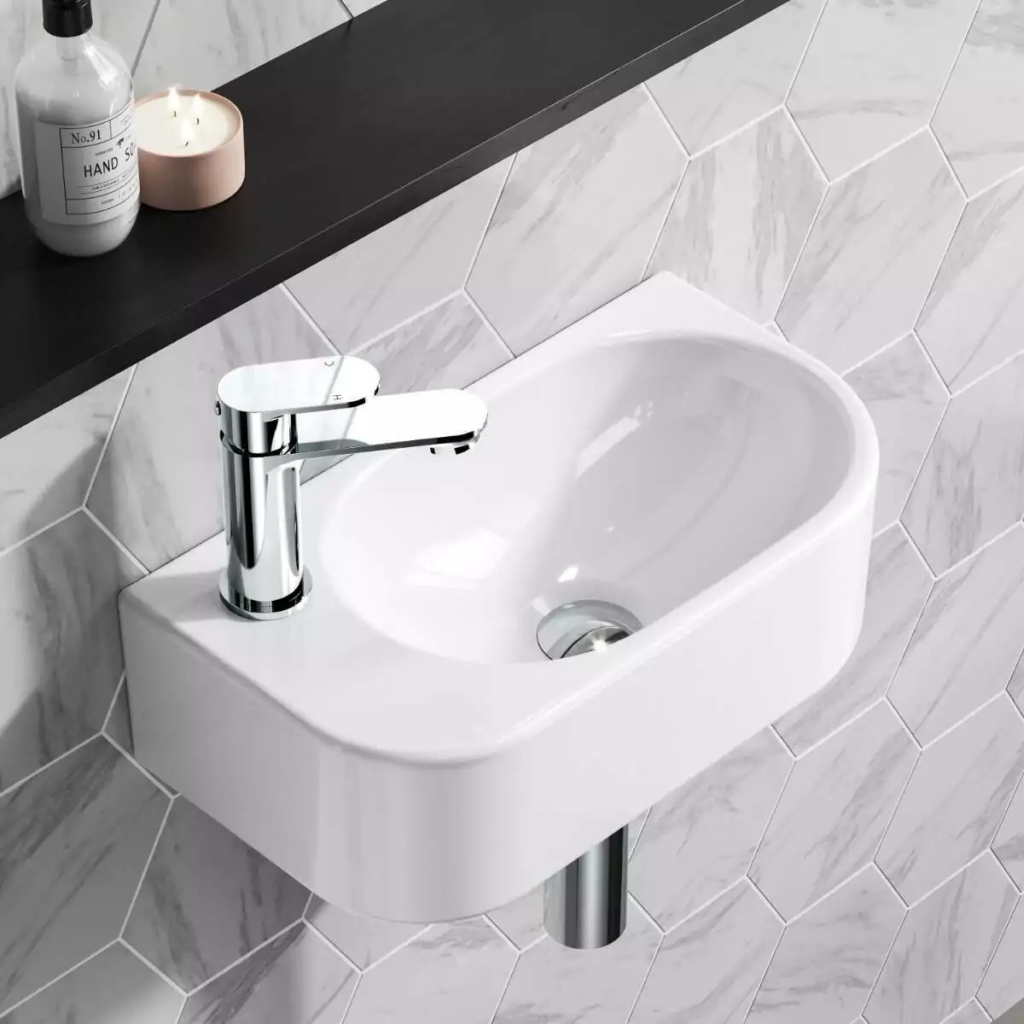
Perfect for small bathrooms or cloakrooms, these sinks are fixed directly to the wall and save floor space.
3. Countertop (Vessel) Sinks
Stylish and modern, these sit on top of a vanity unit and are popular in contemporary bathroom designs.
4. Undermount Sinks
Installed beneath a countertop, these sinks offer a sleek and seamless finish, making cleaning easier.
5. Semi-Recessed Sinks
These extend slightly beyond the edge of the counter, ideal for compact spaces where depth is limited.
Tools and Materials Required
For a successful bathroom sink installation, you’ll need the following tools and materials:
- Adjustable wrench
- Pipe wrench
- Screwdriver set
- Plumber’s tape
- Silicone sealant
- Bucket and towels
- Waste kit and trap
- Tap fittings
Having everything ready before you begin ensures a smooth installation process.
Step-by-Step Installation Process
1. Turn Off the Water Supply
Before starting, shut off the water supply at the mains or isolation valves to avoid leaks or flooding.
2. Remove the Old Sink
Disconnect the water supply lines and waste pipe. Carefully remove the existing sink without damaging surrounding tiles or walls.
3. Prepare the Area
Clean the installation area and check the plumbing connections. Ensure the wall or vanity unit is strong enough to support the new sink.
4. Install the Tap and Waste
It’s easier to fit the tap and waste system onto the sink before mounting it. Use plumber’s tape to secure watertight connections.
5. Mount the Sink
Depending on the type of sink:
- Wall-mounted sinks require brackets
- Pedestal sinks need proper alignment with the pedestal base
- Countertop sinks must be sealed with silicone
6. Connect Plumbing
Attach the water supply lines and connect the waste pipe to the trap. Tighten all fittings securely.
7. Test for Leaks
Turn the water supply back on and check all connections for leaks. Run water through the system to ensure proper drainage.
UK Plumbing Regulations to Consider
In the UK, bathroom installations must comply with local plumbing regulations and building standards. Key considerations include:
- Proper waste pipe alignment and ventilation
- Use of approved fittings and materials
- Safe water pressure levels
- Accessibility for maintenance
If you’re unsure, it’s always advisable to hire a qualified plumber to ensure compliance with UK regulations.
DIY vs Professional Installation
DIY Installation
If you have basic plumbing knowledge and the right tools, installing a bathroom sink can be a manageable DIY project. It’s cost-effective but requires attention to detail.
Professional Installation
Hiring a professional plumber ensures:
- Correct installation
- Compliance with UK standards
- Time-saving and reduced risk of errors
For complex installations or high-end bathroom designs, professional help is highly recommended.
Common Mistakes to Avoid
- Not turning off the water supply before starting
- Incorrect pipe alignment leading to leaks
- Over-tightening fittings causing damage
- Poor sealing resulting in water seepage
- Choosing the wrong sink size for your space
Avoiding these mistakes will save you time, money, and frustration.
Maintenance Tips for Longevity
Once your sink is installed, proper maintenance is essential:
- Clean regularly with non-abrasive cleaners
- Check for leaks periodically
- Avoid pouring harsh chemicals down the drain
- Clear blockages early to prevent damage
Regular care will keep your bathroom sink functioning efficiently for years.
Cost of Bathroom Sink Installation in the UK
The cost can vary depending on the type of sink and labour involved:
- Basic sink installation: £100–£250
- Mid-range installations: £250–£500
- High-end or custom designs: £500+
Additional costs may include plumbing adjustments, new taps, or vanity units.
Final Thoughts
Bathroom sink installation in the UK is a practical upgrade that enhances both style and functionality. Whether you choose a simple pedestal sink or a modern countertop design, proper planning and installation are key to achieving the best results.