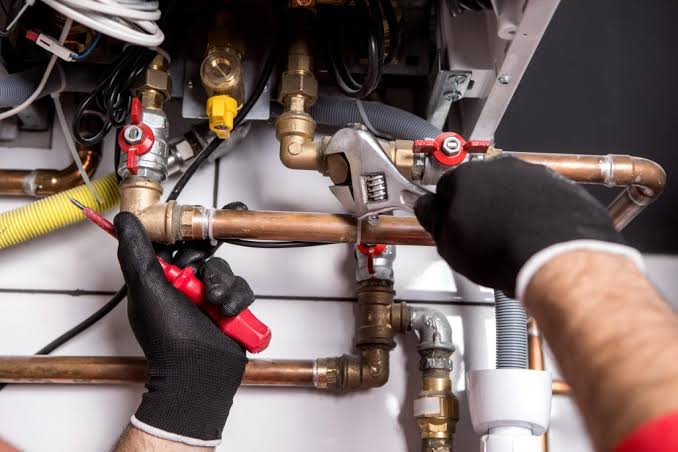
A sudden boiler leak Liverpool Road property owners encounter can turn a peaceful morning into a high-stress emergency. Whether you are running a business along a busy commercial stretch or managing a Victorian residential conversion, a leaking boiler is a clear signal that something within your heating system has compromised structural integrity. Water and gas heating components operating under pressure demand swift, informed action. Ignoring even a tiny puddle beneath your appliance can lead to extensive water damage, electrical short circuits, structural decay, and escalating repair costs.
Understanding why boiler leaks occur, how the architectural character of Liverpool Road impacts heating infrastructure, and what immediate steps you must take will help you protect your home or business while ensuring overall building safety.
Why Boiler Leaks Happen
Modern central heating systems operate under significant thermal and hydraulic stress. Water is heated, pressurized, and circulated through a complex network of pipes, valves, and heat exchangers. When any single component fails, water finds the path of least resistance.
High System Pressure
Boiler pressure should generally hover between 1.0 and 1.5 bar when cold. If the pressure spikes past 2.5 or 3.0 bar, the pressure relief valve (PRV) will discharge water to prevent a catastrophic failure. High pressure is often caused by an overfilled system, a stuck filling loop valve, or a failing expansion vessel.
Internal Component Corrosion
Over time, untreated water inside your heating circuit causes metal components to rust. Sludge and limescale buildup can corrode the heat exchanger, pipework, and internal joints. Once corrosion eats through metal walls, pinhole leaks form inside the unit, leading to steady dripping beneath the casing.
Perished Seals and O-Rings
Heat, constant pressure cycles, and age cause rubber and silicone seals to harden, shrink, or crack. If seals surrounding the water pump, heat exchanger, or hydraulic block deteriorate, water will escape around internal fittings and trickle down the outer cabinet.
Faulty Pressure Relief Valve (PRV)
The PRV is a critical safety device designed to release water if pressure exceeds safe limits. However, if limescale or debris lodges inside the valve seat, it may fail to shut off properly, resulting in a continuous slow leak even when pressure has normalized.
Damaged Heat Exchanger
The heat exchanger is the heart of your boiler, transferring thermal energy from the burner to your water supply. Due to extreme thermal expansion and contraction, older or poorly maintained heat exchangers can crack. A cracked heat exchanger is one of the most serious boiler faults and often requires major component replacement or a full boiler upgrade.
Heating Challenges along Liverpool Road
Properties along Liverpool Road feature a distinct architectural mix, from historic period terraces and Georgian townhouses to modern apartment complexes and bustling commercial units. This architectural diversity creates specific plumbing and heating challenges:
- Aging Pipework in Period Properties: Older homes frequently retain historic copper or iron pipe networks. Decades of micro-vibrations, thermal expansion, and water hardness cause older joints to weaken, making them susceptible to sudden leaks under modern high-pressure combi boiler setups.
- Hard Water and Limescale Accumulation: Scale deposits accumulate rapidly inside internal heat exchangers and pumps. Limescale restricts water flow, causes localized overheating (kettling), and accelerates mechanical wear on internal seals.
- Shared Infrastructure in Converted Flats: Many multi-story buildings along Liverpool Road feature converted residential flats with interconnected piping or shared risers. A leak in an upper-floor unit can quickly seep through ceilings, threatening neighboring properties below.
Immediate Emergency Steps When You Notice a Leak
If you discover active dripping or pooling water beneath your heating unit, taking control of the situation quickly prevents widespread property damage and safeguards electrical circuits.
1. Power Down the Appliance
Water and electricity are a hazardous combination. Immediately switch off the electrical supply to your boiler at the fused spur switch or circuit breaker. Do not touch wet switches or internal electrical components.
2. Isolate the Water Supply
Locate the main stopcock or the local isolation valves directly under the boiler casing. Turn the cold water inlet valve clockwise to shut off incoming water flow. This halts fresh water from pressurizing the unit and leaking further.
3. Contain the Water
Place a wide bucket or tray beneath the leak to catch dripping water. Lay down thick towels to protect floorboards, carpets, or cabinetry from saturation.
4. Relieve Excess Pressure
If the pressure gauge displays a reading above 2.5 bar, carefully bleed a nearby radiator using a bleed key into a container. Releasing trapped air and excess water reduces overall system pressure, slowing down the leak while you wait for assistance.
5. Call a Qualified Professional
Never attempt to open the sealed outer boiler casing or repair internal gas or water components yourself. Gas safety regulations require that all internal repairs be performed by an accredited Gas Safe registered engineer.
Professional Diagnosis and Repair Process
When an engineer arrives at your Liverpool Road property, they follow a systematic diagnostic routine to isolate the root cause safely:
- Safety Checks & Inspection: The engineer checks for electrical safety, inspects the surrounding area for water ingress, and verifies gas tightness.
- Casing Removal & Component Testing: Once secured, the engineer removes the front cover to inspect the internal hydraulic block, pump, heat exchanger, and valves.
- Pressure Testing: They test the expansion vessel charge and pressure relief settings to verify if pressure spikes caused the discharge.
- Component Repair or Replacement: Worn O-rings, faulty PRVs, or failed pumps are replaced with manufacturer-approved parts. If a heat exchanger is severely cracked, the engineer provides a clear assessment comparing repair costs against system replacement.
- System Flushing & Re-commissioning: After rectifying the leak, the engineer refills the system, adds chemical corrosion inhibitor, bleeds air from radiators, and restores pressure to optimum operational levels.
Preventing Future Leaks
Proactive maintenance is significantly cheaper and less disruptive than emergency repairs. To keep your heating system running efficiently and reliably, incorporate these preventative measures:
- Annual Boiler Servicing: Schedule a comprehensive annual service with a certified heating engineer. Annual inspections identify failing seals, minor corrosion, and pressure irregularities before they develop into active leaks.
- Maintain Chemical Inhibitor Levels: Ensure your central heating circuit contains adequate central heating inhibitor. Inhibitor chemicals neutralize rust formation and prevent internal metal degradation.
- Install a Magnetic Filter: A magnetic sludge filter installed on the return pipework traps metallic debris and rust particles before they reach sensitive boiler components like the pump and heat exchanger.
- Monitor Pressure Regularly: Check your boiler pressure gauge once a month. Sustained pressure loss indicates a slow hidden leak in the pipework, while rising pressure signals filling loop or expansion vessel issues.
Resolving a boiler leak Liverpool Road property owners face requires prompt action, careful risk management, and reliable technical expertise. By recognizing the warning signs early, taking quick emergency containment measures, and relying on qualified professionals for routine maintenance, you can ensure your heating system operates safely, efficiently, and trouble-free for years to come.