
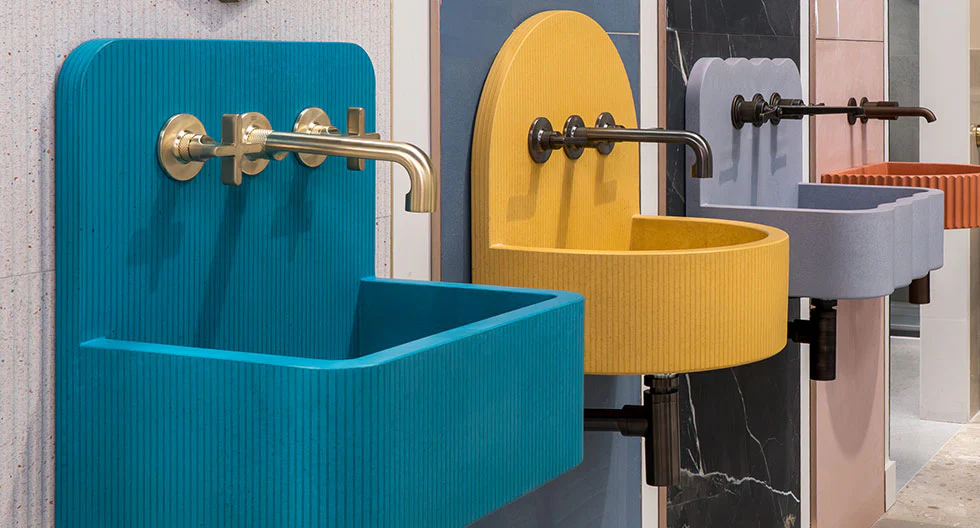
Bathroom sink installation is one of the most effective ways to upgrade your bathroom’s functionality and style. Whether you’re renovating your entire space or simply replacing an outdated basin, a professionally installed sink can transform the look and efficiency of your bathroom. In the UK, homeowners are increasingly investing in modern, durable, and aesthetically pleasing sink designs that complement their interiors while improving daily usability.
This comprehensive guide will walk you through everything you need to know about bathroom sink installation in the UK—from types of sinks and installation processes to costs, benefits, and expert tips.
Why Bathroom Sink Installation Matters
Your bathroom sink is one of the most frequently used fixtures in your home. A well-installed sink ensures smooth water flow, proper drainage, and long-lasting performance. Poor installation, on the other hand, can lead to leaks, water damage, and costly repairs.
Upgrading your sink also enhances the overall appeal of your bathroom. Whether you prefer a sleek modern design or a classic look, a new sink can significantly boost your home’s value and comfort.
Types of Bathroom Sinks in the UK
Choosing the right type of sink is the first step in your installation journey. Here are the most popular options available in UK homes:
1. Pedestal Sinks
Pedestal sinks are a traditional choice, featuring a basin supported by a pedestal stand. They are ideal for smaller bathrooms as they take up minimal space while concealing plumbing.
2. Wall-Mounted Sinks
These sinks are fixed directly to the wall, offering a minimalist look. They are perfect for compact bathrooms and allow more floor space, making cleaning easier.
3. Countertop (Vessel) Sinks
Installed on top of a vanity or counter, vessel sinks are stylish and modern. They are often chosen for luxury bathrooms and come in various shapes and materials.
4. Undermount Sinks
Fitted beneath the countertop, undermount sinks provide a seamless and clean appearance. They are easy to maintain and work well with stone or solid surface worktops.
5. Semi-Recessed Sinks
These sinks partially extend beyond the countertop, making them practical for smaller bathrooms where space is limited.
Key Steps in Bathroom Sink Installation
Installing a bathroom sink involves several important steps. While some homeowners may attempt DIY installation, hiring a professional plumber ensures safety and compliance with UK plumbing standards.
1. Planning and Preparation
Before installation, measure the available space and choose a sink that fits your bathroom layout. Consider the height, width, and depth to ensure comfort and usability.
2. Removing the Old Sink
The existing sink must be carefully disconnected from the water supply and drainage system. This step requires turning off the water supply to prevent leaks.
3. Installing the New Sink
The new sink is positioned and secured according to its type. Wall-mounted sinks require strong brackets, while countertop sinks need proper sealing.
4. Connecting Plumbing
Water supply lines and drainage pipes are connected to the sink. Proper sealing is essential to prevent leaks and ensure efficient water flow.
5. Testing and Finishing
Once installed, the sink is tested for leaks and functionality. Sealants are applied where necessary, and final adjustments are made for a perfect finish.
Cost of Bathroom Sink Installation in the UK
The cost of installing a bathroom sink in the UK can vary depending on several factors:
- Type of sink – Basic pedestal sinks are more affordable, while designer vessel sinks can be expensive.
- Labour costs – Professional plumbers typically charge between £80 and £200 for installation.
- Additional work – Costs may increase if plumbing modifications or repairs are required.
On average, homeowners can expect to pay between £150 and £500 for a complete sink installation, including labour and materials.
Benefits of Professional Installation
While DIY installation may seem cost-effective, professional services offer several advantages:
Expertise and Precision
Professional plumbers have the skills and experience to install sinks accurately, ensuring proper alignment and secure fittings.
Compliance with UK Standards
Plumbing work in the UK must meet specific regulations. Professionals ensure your installation complies with these standards, avoiding legal and safety issues.
Time-Saving
Hiring an expert saves time and reduces the risk of errors that could lead to costly repairs later.
Long-Term Reliability
A professionally installed sink is less likely to develop leaks or drainage problems, ensuring long-lasting performance.
Common Mistakes to Avoid
When installing a bathroom sink, it’s important to avoid common pitfalls:
- Incorrect measurements leading to poor fitting
- Improper sealing causing leaks
- Loose connections resulting in water damage
- Ignoring ventilation and drainage requirements
Avoiding these mistakes ensures a smooth and successful installation.
Tips for Choosing the Right Sink
Selecting the perfect sink involves more than just aesthetics. Here are some practical tips:
- Consider your bathroom size – Choose compact designs for smaller spaces
- Match your interior style – Ensure the sink complements your décor
- Focus on durability – Opt for high-quality materials like ceramic or porcelain
- Think about maintenance – Easy-to-clean surfaces save time and effort
Eco-Friendly Sink Options
Sustainability is becoming a priority for UK homeowners. Many modern sinks are designed with eco-friendly features, such as water-saving taps and sustainable materials. Installing an efficient sink can help reduce water consumption and lower utility bills.
When to Replace Your Bathroom Sink
You may need a new sink if you notice:
- Persistent leaks or cracks
- Outdated design
- Poor drainage
- Rust or stains that cannot be removed
Replacing your sink at the right time prevents further damage and keeps your bathroom functional and attractive.
Final Thoughts
Bathroom sink installation in the UK is a worthwhile investment that enhances both the functionality and appearance of your home. Whether you’re upgrading to a modern design or replacing an old fixture, choosing the right sink and ensuring proper installation are key to achieving the best results.
While DIY installation is possible, hiring a professional plumber guarantees quality workmanship, compliance with regulations, and long-term reliability. With the right approach, your new bathroom sink can become a stylish and practical feature that adds value to your home.