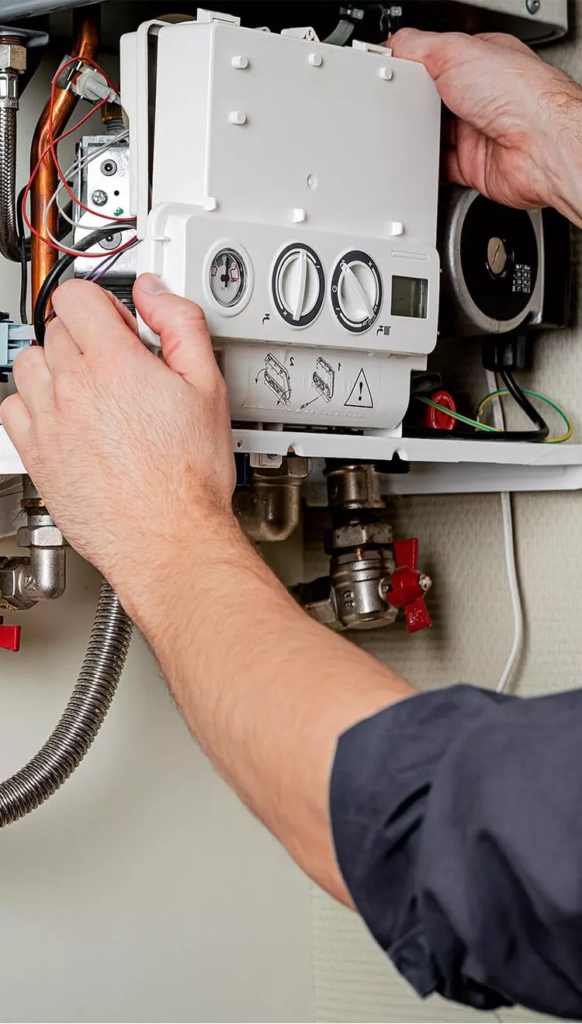
A leaking boiler is one of the most stressful household emergencies a homeowner or tenant can face. Whether you discover a pool of water collecting on your kitchen counter, spot damp patches blooming on the wall beneath your unit, or notice that your central heating system keeps losing pressure, addressing the issue promptly is critical. Boiler Leak Repairs in the UK require a solid understanding of home heating systems, strict adherence to national gas safety laws, and quick action to prevent widespread structural or electrical damage.
While a small puddle might seem like a minor nuisance, water escaping from inside a boiler is often a symptom of an underlying mechanical failure, component wear, or excessive pressure buildup. Understanding why boilers leak, what steps you should take immediately, and how the repair process works will help you protect your property and ensure your family remains safe and warm year-round.
Common Causes of Boiler Leaks
Modern gas boilers are complex appliances containing water, high-pressure steam, natural gas, and sensitive microelectronics all within a single casing. When a leak occurs, the source is typically traced back to one of several well-known vulnerabilities.
High System Pressure
Boiler pressure in standard UK residential systems should ideally rest between 1.0 and 1.5 bar when the heating is turned off and cold. If the pressure rises significantly above 2.0 or 2.5 bar, the system becomes over-pressurised. To prevent the boiler from expanding dangerously or rupturing, a built-in safety component called the Pressure Relief Valve (PRV) opens to discharge excess water. If you notice water trickling from the copper pipe on the exterior wall of your house, or directly beneath the unit, an over-pressurised system or a faulty PRV is frequently the culprit.
Corrosion and Internal Wear
Over years of continuous heating and cooling, metal pipes, heat exchangers, and internal fittings deteriorate. Water circulating through a central heating network naturally reacts with iron and copper, creating magnetite sludge and rust. Without chemical corrosion inhibitors or a magnetic sludge filter, this debris settles inside the boiler. Corroded heat exchangers or pinhole leaks in internal pipework are among the most frequent causes of water escaping from older units.
Damaged Seals and Gaskets
Boilers rely on dynamic rubber and synthetic seals, particularly around the circulation pump, water control valves, and heat exchanger connection points. Over time, constant thermal expansion and contraction cause these seals to dry out, harden, or crack. Once a seal fails, water begins to seep through small gaps, often dripping directly onto electrical control boards mounted below.
Loose Joints and Pipework Connections
During installation or routine servicing, pipe joints are soldered or secured using compression fittings. Excessive vibration from a degrading pump, rapid changes in temperature, or physical disturbance can gradually loosen these connections. Even a fraction of a millimeter of clearance at a joint can release a steady stream of water under normal operating pressures.
Frozen or Cracked Condensate Pipes
Condensing boilers—which have been mandatory for new UK installations since 2005—produce acidic water as part of their energy-efficient combustion process. This liquid drains outside through a plastic condensate pipe. During harsh UK winter spells, standing water inside an uninsulated condensate pipe can freeze, causing a blockage. The backed-up wastewater has nowhere to go and can spill back into the internal casing of the boiler.
Immediate Steps to Take When You Spot a Leak
Discovering water beneath your heating unit requires immediate, deliberate action. Following these steps minimizes potential water damage and safeguards your home against electrical short circuits or gas hazards:
- Turn off the boiler power supply: Water and electricity are a dangerous combination. Locate the fused spur switch near your boiler or turn off the circuit at your main consumer unit to prevent electrical shocks or component burnout.
- Isolate the water mains: If the leak is severe or rapid, shut off the main stopcock to stop additional water from feeding into the central heating system or combi filling loop.
- Protect your property: Place a bucket, bowl, or heavy towels beneath the dripping area to capture moisture and prevent timber worktops, flooring, or ceiling plaster from absorbing water.
- Check the pressure gauge: Inspect the pressure dial on the front of your boiler. If it reads well above 2.0 bar, you may have overfilled the system via the filling loop. If it reads zero, the leak has completely depressurised your system.
- Never open the sealed casing yourself: UK safety laws strictly regulate who can open or tamper with the internal components of a gas appliance.
Legal Requirements and Gas Safe Registration in the UK
When dealing with gas boiler repairs, safety regulations are extremely strict for good reason. Under the Gas Safety (Installation and Use) Regulations 1998, any maintenance, repair, or servicing work involving the removal of the boiler cover or interaction with gas-carrying components must be carried out by a certified engineer registered on the official Gas Safe Register.
Attempting a DIY fix on internal boiler components is not only illegal for non-competent individuals, but it also carries severe risks:
- Carbon Monoxide Leaks: Removing or incorrectly refitting a boiler cover can break the combustion seal, allowing lethal, odorless carbon monoxide gas to spill into your living space.
- Gas Explosions: Faulty reassembly of internal gas valves or connections creates immediate fire and explosion hazards.
- Voided Warranties and Insurance: Unregistered repairs automatically invalidate manufacturer warranties and can lead home insurance providers to reject claims for water or fire damage.
Always ask to see your engineer’s Gas Safe ID card upon arrival. The back of the card details the specific types of gas work they are qualified to perform (e.g., domestic natural gas appliances, LPG, boilers, or water heaters).
Repair Costs and Repair vs. Replacement Decisions
The overall cost of resolving a boiler leak in the UK depends heavily on the root cause, the price of replacement parts, and local hourly labor rates.
- Minor Fixes (Loose joints, PRV replacement, bleeding/rebalancing): Standard call-out fees generally cover the first hour of labor, often ranging between £80 and £150 plus the cost of small consumable parts or valves.
- Component Replacements (Circulation pumps, internal valves, expansion vessels): Replacing major internal parts typically runs between £200 and £450, inclusive of labor and genuine manufacturer components.
- Major Overhauls (Main heat exchanger replacement): A cracked heat exchanger is one of the most expensive boiler failures, frequently costing between £500 and £900 to repair.
When to Replace Rather Than Repair
If your boiler is over 10 to 12 years old and requires a costly repair like a new heat exchanger or internal casing assembly, investing that money into a brand-new, modern A-rated combi boiler is often the smarter financial move. Newer systems offer high fuel efficiency, significantly reduced energy bills, and manufacturer warranties lasting up to 10 or 12 years, providing long-term peace of mind.
How to Prevent Boiler Leaks
While mechanical components inevitably experience wear over time, standard preventative maintenance dramatically lowers the likelihood of unexpected leaks:
- Book an Annual Boiler Service: A Gas Safe registered engineer will clean key components, inspect seals for micro-cracks, verify expansion vessel pressure, and test safety valves before small issues become costly floods.
- Install a Magnetic System Filter: Capturing metallic sludge before it enters the heat exchanger protects internal metal surfaces from localized pinhole corrosion.
- Maintain Chemical Inhibitor Levels: Ensuring your central heating system has adequate levels of chemical rust inhibitor neutralizes acidic water conditions that cause internal metal degradation.
- Lag External Condensate Pipes: Wrapping exposed exterior plastic drainage pipes in weather-resistant insulation stops water from freezing during winter cold snaps.
Taking proactive steps at the first sign of moisture is the best way to safeguard your heating investment and prevent costly property damage. By recognizing the warning signs early, turning off power supplies safely, and relying exclusively on certified Gas Safe engineers, you can ensure that Boiler Leak Repairs in the UK are conducted safely, legally, and effectively.